Skills to Create · art and math · pilot for the 2026-27 school year
Every child is an artist.
“The problem is how to remain an artist once we grow up.” Pablo Picasso
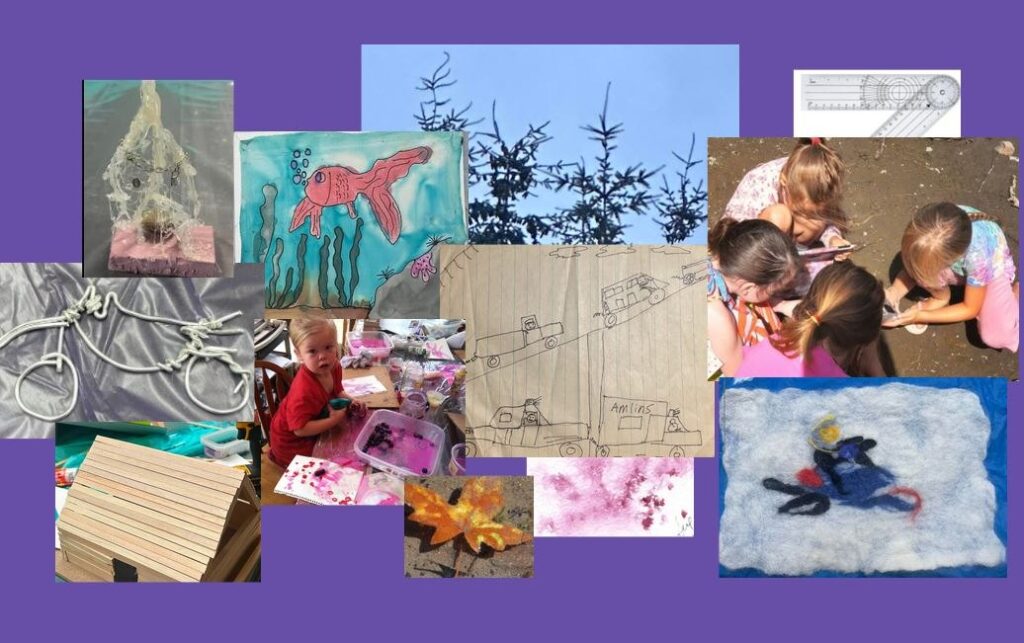
Skills to Create is Sue Wachter’s answer: short lessons that teach children, and the adults around them, to see the lines, angles, and shapes in everyday life and make art from them. Lesson 1 is free.
Course 1 · free to start
Seeing Beyond the Obvious
Series 1, Tools and Clues Everywhere: seven short lessons on lines and angles, the way an artist and a mathematician both see them.
Webinar recording · September 15, 2026
Seeing Beyond the Worksheet: Cultivating Observation in Everyday Life
Sue joined Gretchen Roe of Demme Learning for a conversation on how to help children see geometry, lines, balance, proportion, and shape in the world around them, far beyond the worksheet.
Why math and art
Math and art are fraternal twins.
Math and art are often viewed as polar opposites. Nothing could be farther from the truth. In some ways they do not look alike, but in other ways they are strongly connected, work wonderfully together, and end up looking very similar. Making these connections will enhance skills and understanding in both subjects.
Sue has found that students starting as young as 6 often grasp more than you think. She never oversimplifies her art classes, no matter the age. Learning is presented and practiced in brief sprints of 3 to 10 minutes, so each piece of it has room to develop on its own.
Curiosity over perfection. Observation over speed. Awareness over rules.
A few minutes a day is enough. The key is to encourage the habit of spontaneous observation.
Sue Wachter, from the course notes
How the pilot works
Sign in. Try Lesson 1. Tell Sue what you think.
This is a pilot for the 2026-27 school year. Sue will evaluate it with the people who take part, then decide what comes next and what it costs.
01
Create a free account and enroll
Sign in, open Course 1, and enroll. There is nothing to pay during the pilot.
02
Do Lesson 1: Straight Edges
A free sample so you can see whether the approach fits your student, your class, or you.
03
Send Sue your feedback
Tell Sue how the lesson went. Your feedback unlocks Lesson 2, and every lesson after works the same way. It is how she shapes the course during the pilot.
Inside Course 1
Seeing Beyond the Obvious
Two series, each a run of short lessons. Sue is uploading them during the pilot, so the list grows as the year goes on.
Series 1
Tools and Clues Everywhere
Lines and angles, found in the room you are sitting in.
Series 2
Shape, Balance and Composition
Builds on lines and angles to introduce shape, structure, and visual balance through both math and art.
For teachers and homeschool families
Standards notes, for those who keep records.
Sue did not write this course to align to a standard. These notes are for anyone who is required to include alignment information in their records. The course emphasizes process, observation, and creative thinking.
National Core Arts Standards, Visual Arts
Integrated learning outcomes
By blending math and art, students:
From Sue
You ARE an artist.
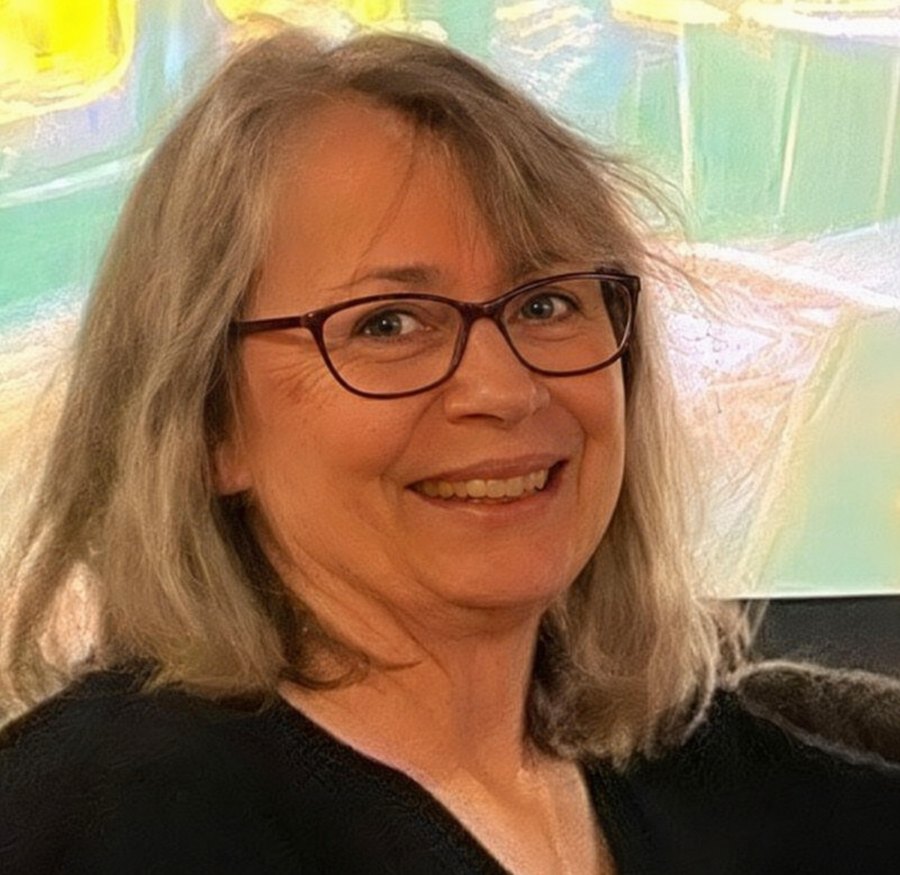
Through the years of experiencing the joy of teaching creativity to all ages, one thing is clear. Those who only saw art as something that needed skills they did not have gave up on their ability to be an artist. This is my motivation for Skills to Create. It is time to explore possibilities.
Sue Wachter, artist and teacher, Centralia WA
Next step
Three doors. Pick yours.
Start Lesson 1
Create a free account, enroll in Course 1, and do Straight Edges today. Send Sue your feedback to open Lesson 2.
Ask Sue a question
About a lesson, your classroom, or your own return to art. Sue reads and answers these herself.
Write for Skills to Create
Sue is building the curriculum with other writers and teachers. Tell her who you are and what you would like to write.